CISCO
Leading digital design
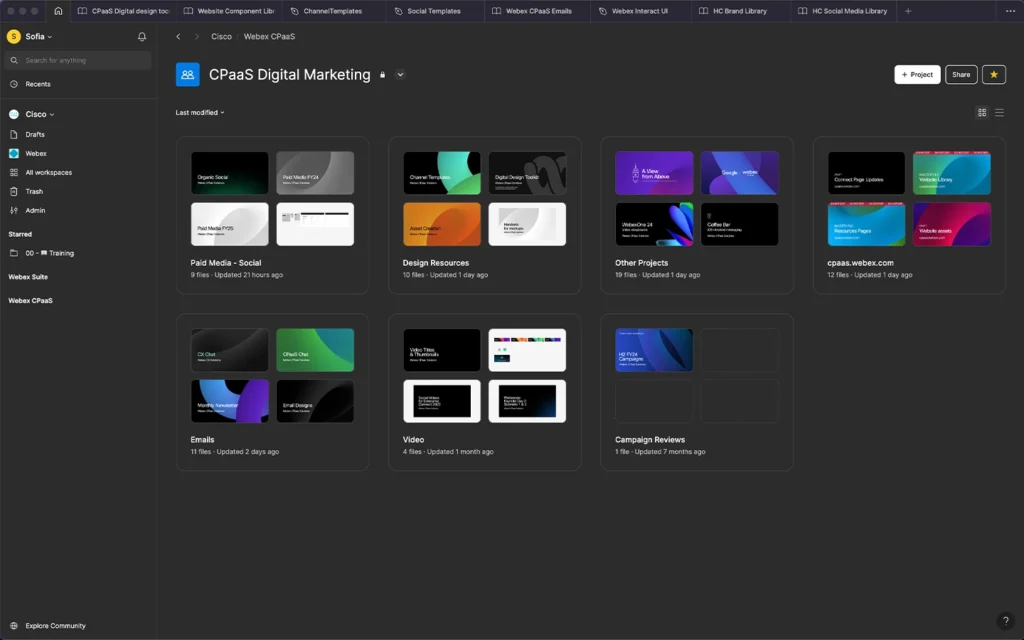
Part of my role at Cisco was to maintain consistency across all output and enable the team to work efficiently across design projects. The custom build digital design library allowed us to centralize and standardize design elements, ensuring a cohesive visual language. Additionally, it facilitated collaboration, and enabled other designers to quickly access and utilize shared components, ultimately streamlining the design process.
Challenge
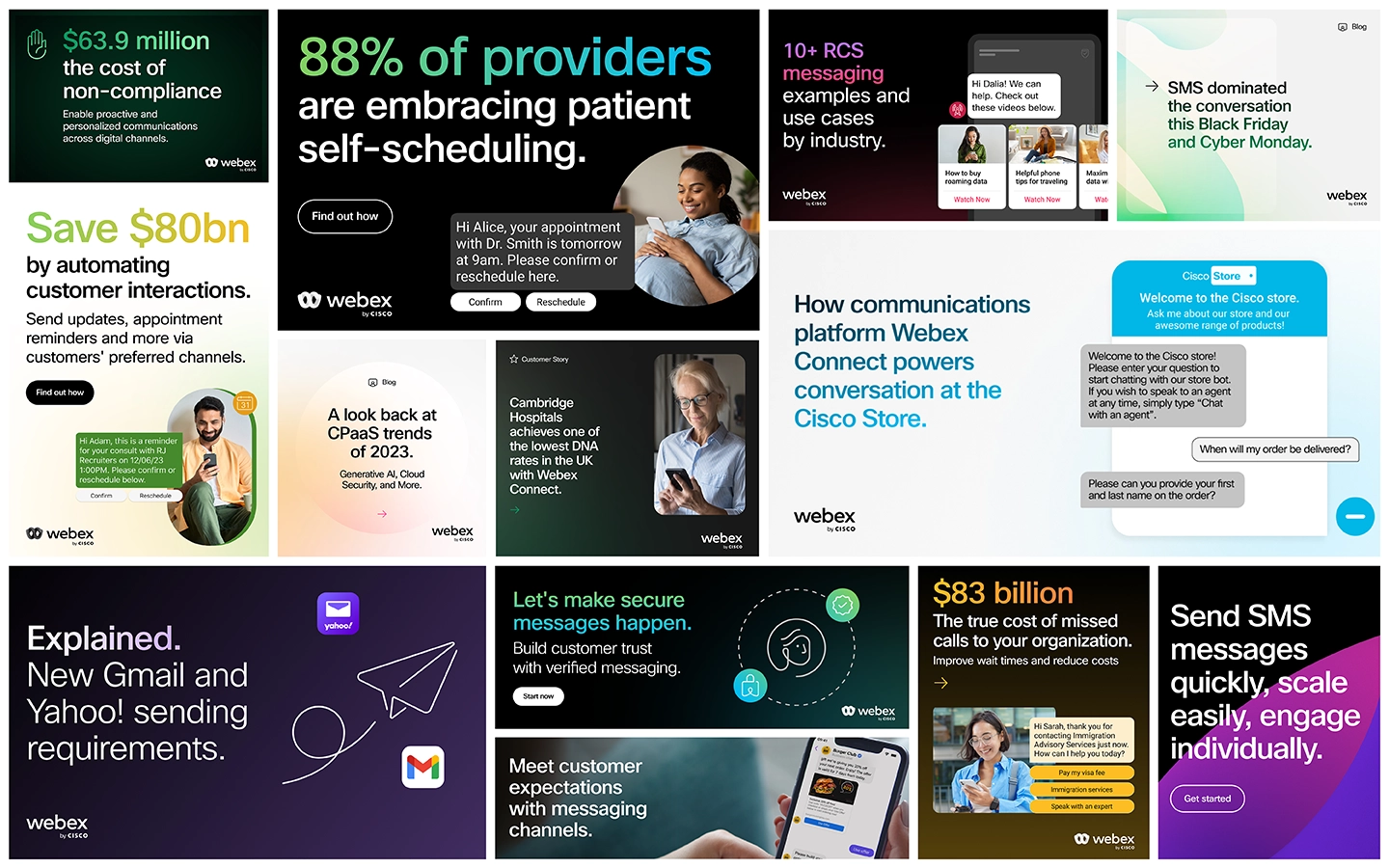
With multiple subsidiary brands and specialized products, the need to control branding for each became apparent very quickly. Each brand featured slight iterations from the main Webex brand, with variations in visual language, colors, and typography. Additionally, every department had their own digital output—including websites, emails, social media, and paid media—that all required consistent management. Reviewing each piece of work was time-consuming and difficult, as I had to check every little detail to ensure brand consistency. This complexity underscored the necessity for a centralized design library to streamline processes and ensure cohesive branding across all touchpoints.
Solution
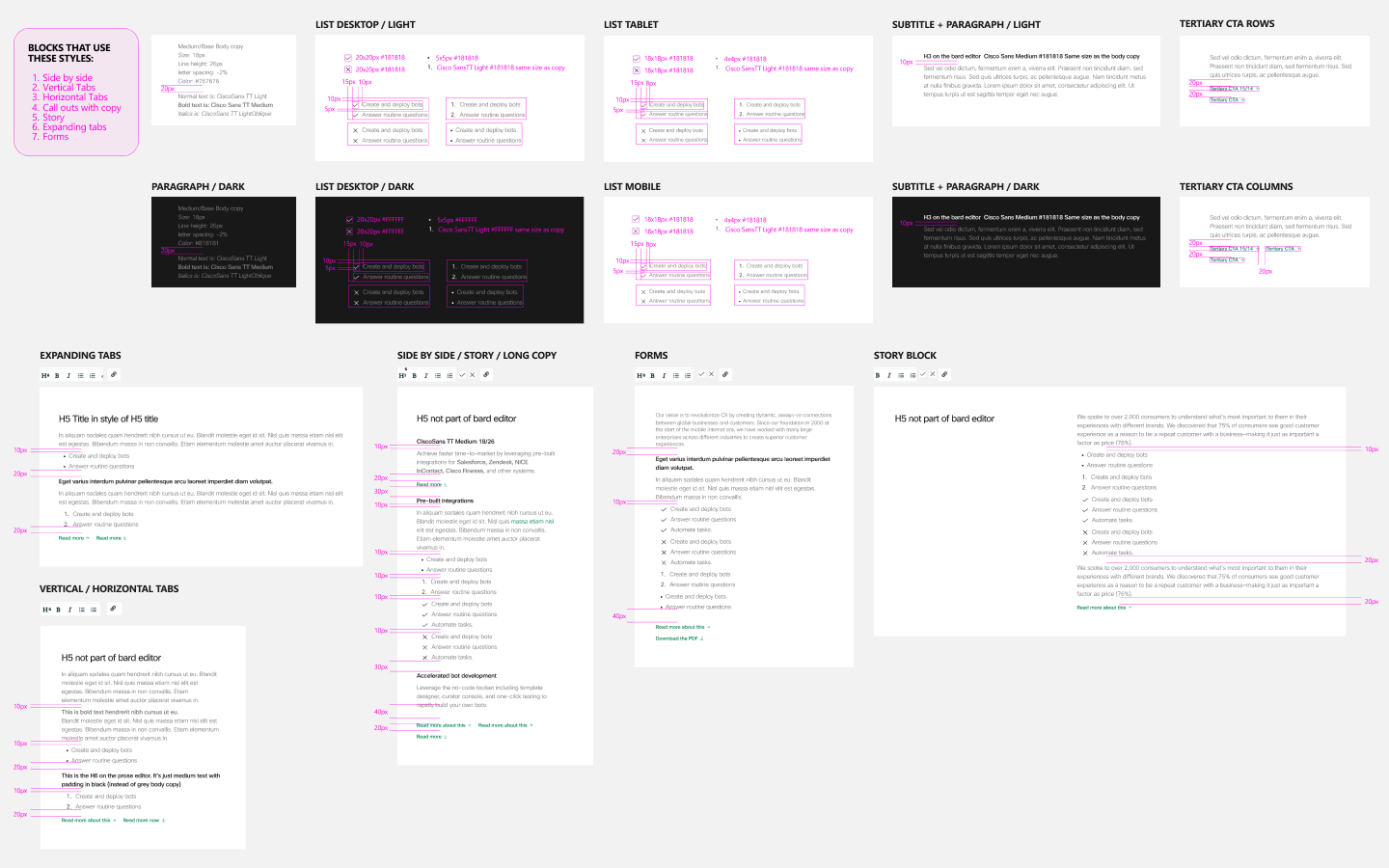
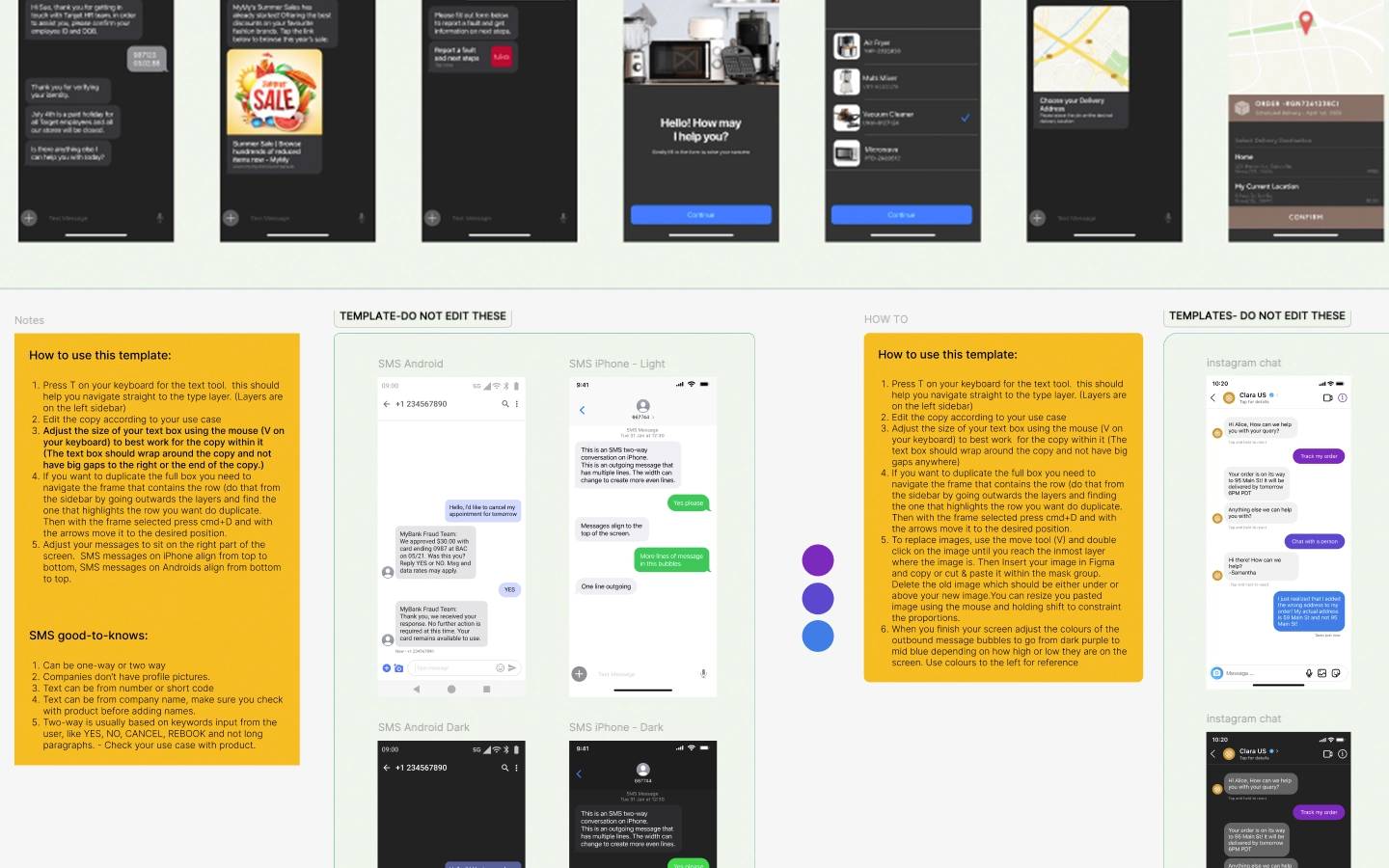
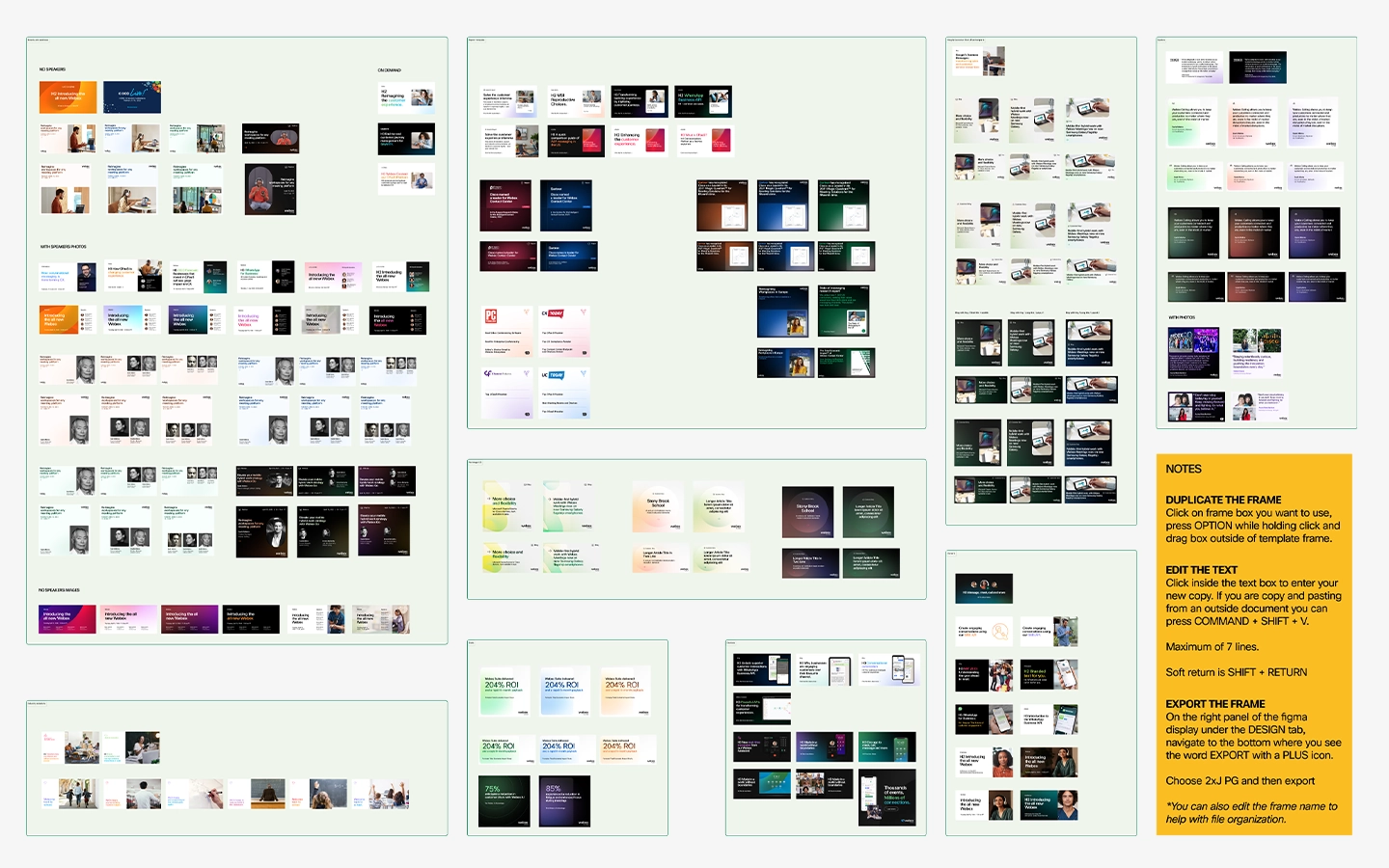
Creating libraries within our Figma organization was the first step to organizing the digital design team and elevating the team’s output. Following the establishment of the library, I also created numerous how-to documents and templated files for both simple and complex layouts. Additionally, I conducted workshops to train the team on the new structure and processes, ensuring everyone was proficient in utilizing the design library effectively.
The result
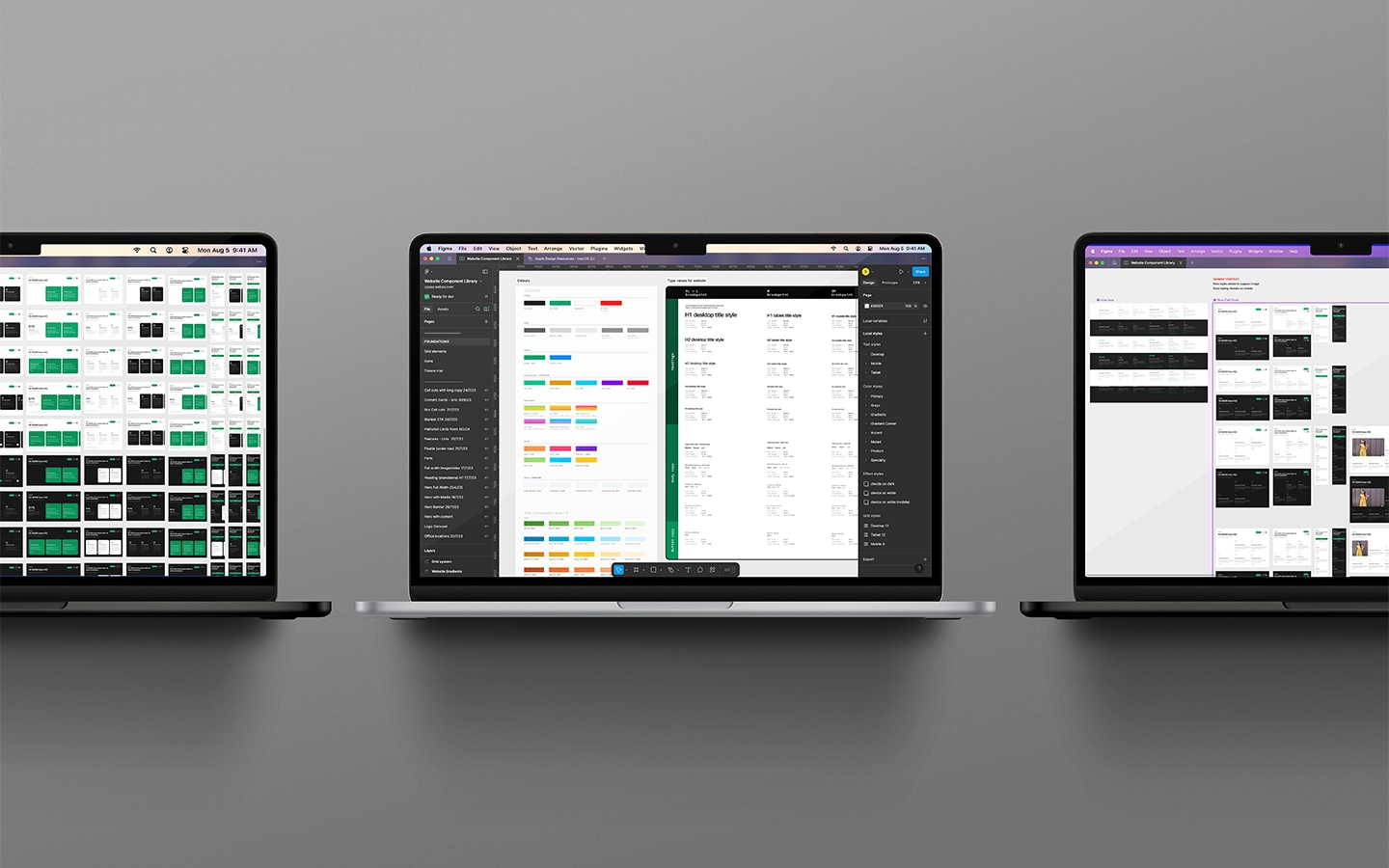
The implementation of the design libraries empowered designers to work more independently, which was especially beneficial given our different time zones. Efficiency and productivity among junior designers improved by approximately 40%, with a significant reduction in design mistakes. The templates, how-to documents, and training sessions not only enhanced digital design but also set the gold standard for the wider design and marketing team. Every new template was accompanied by a how-to document and a training session for key stakeholders. Specifically, the website component and CMS libraries were so user-friendly and well-implemented that even non-designers could create prototype wireframes. This capability sped up web optimization projects by freeing up designer time for the initial conception of pages.
Increase in efficiency
This substantial increase in efficiency allowed designers to take on more complex tasks and responsibilities, accelerating their growth and contributing to the overall success of the team. The streamlined processes and standardized templates enabled quicker turnaround times and higher quality outputs, ultimately enhancing our ability to deliver exceptional design work consistently.
Core libraries
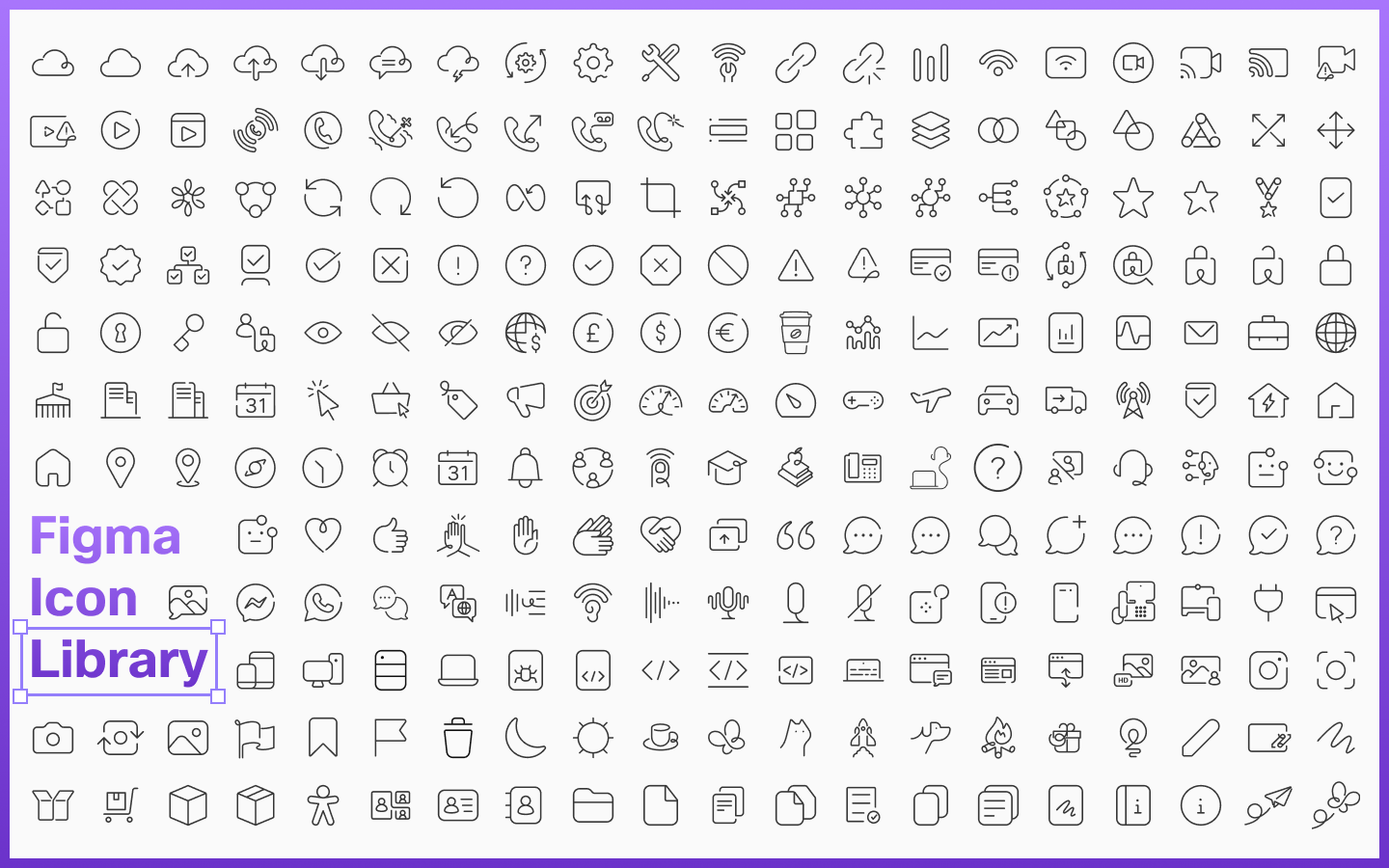
The digital design toolkit included a comprehensive library for each main category of design output: Web, Email, Social, and Ads. Additionally, I created layout templates for each category, along with templates for essential elements such as messaging channels and UI components. These well-organized libraries and templates ensured consistency and efficiency across all design projects, providing a solid foundation for high-quality output.
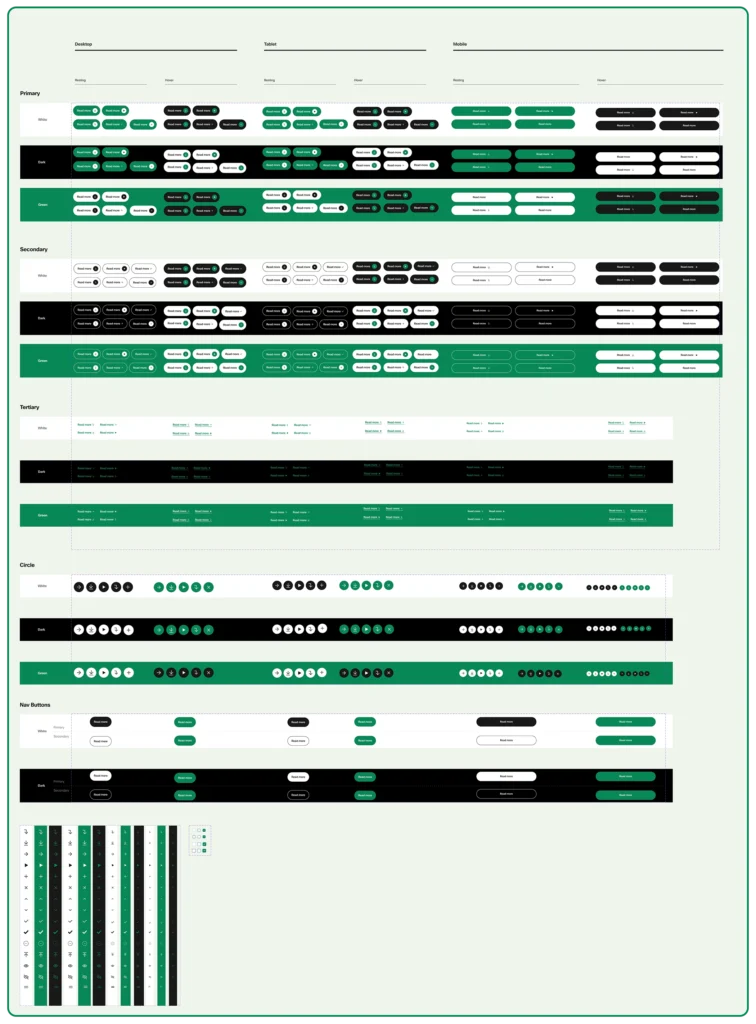
Comprehensive, simple, and organized.
The creation of comprehensive, simple, and organized libraries and templates in Figma significantly enhanced the design process. These well-structured resources made it easier for non-designers to pick up and work within Figma, ensuring that even those without a design background could effectively contribute to projects. The clear organization of design elements and templates facilitated a seamless workflow, promoting consistency and reducing the learning curve for new team members.
Furthermore, maintaining thorough logs of work and detailed hand-overs with the development team ensured smooth transitions and effective communication. This meticulous documentation allowed for better tracking of progress and facilitated more efficient collaborations between designers and developers. As a result, the entire team could work more cohesively, leading to higher quality outputs and more streamlined project execution.